

Buying gemstone jewellery is a big investment. Diamonds are timeless, rare, and enduring — a symbol of forever. Cubic zirconia, on the other hand, offers a stunning, affordable sparkle for everyday elegance.
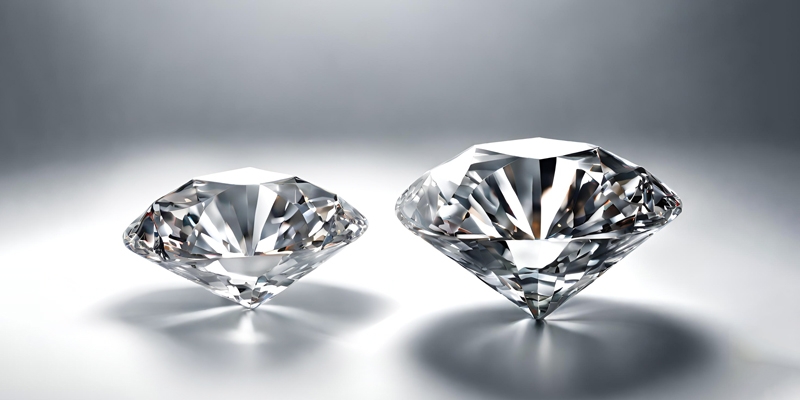
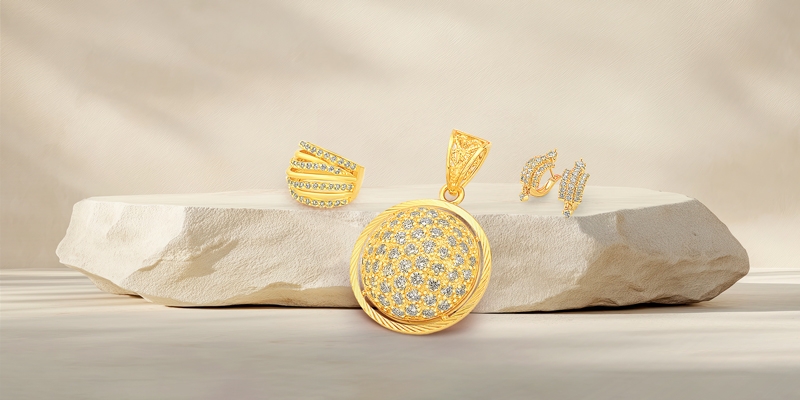
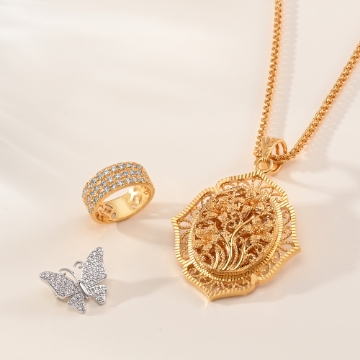
Cubic zirconia is a synthetic gemstone that strongly resembles diamonds to the untrained eye. Cubic zirconia may not have the same hardness as diamonds, but its clarity and sparkle make it a beautiful, practical choice for stylish jewellery. At ZHULIAN, our gold‑plated cubic zirconia pieces are designed to maximize brilliance, offering elegant sparkle without the premium price tag.
While a diamond and a cubic zirconia may look alike, they are not all the same. If you’d like to learn how to tell apart these two gemstones, here are 6 ways to tell a cubic zirconia from a diamond: -
1. Check the Metal Setting
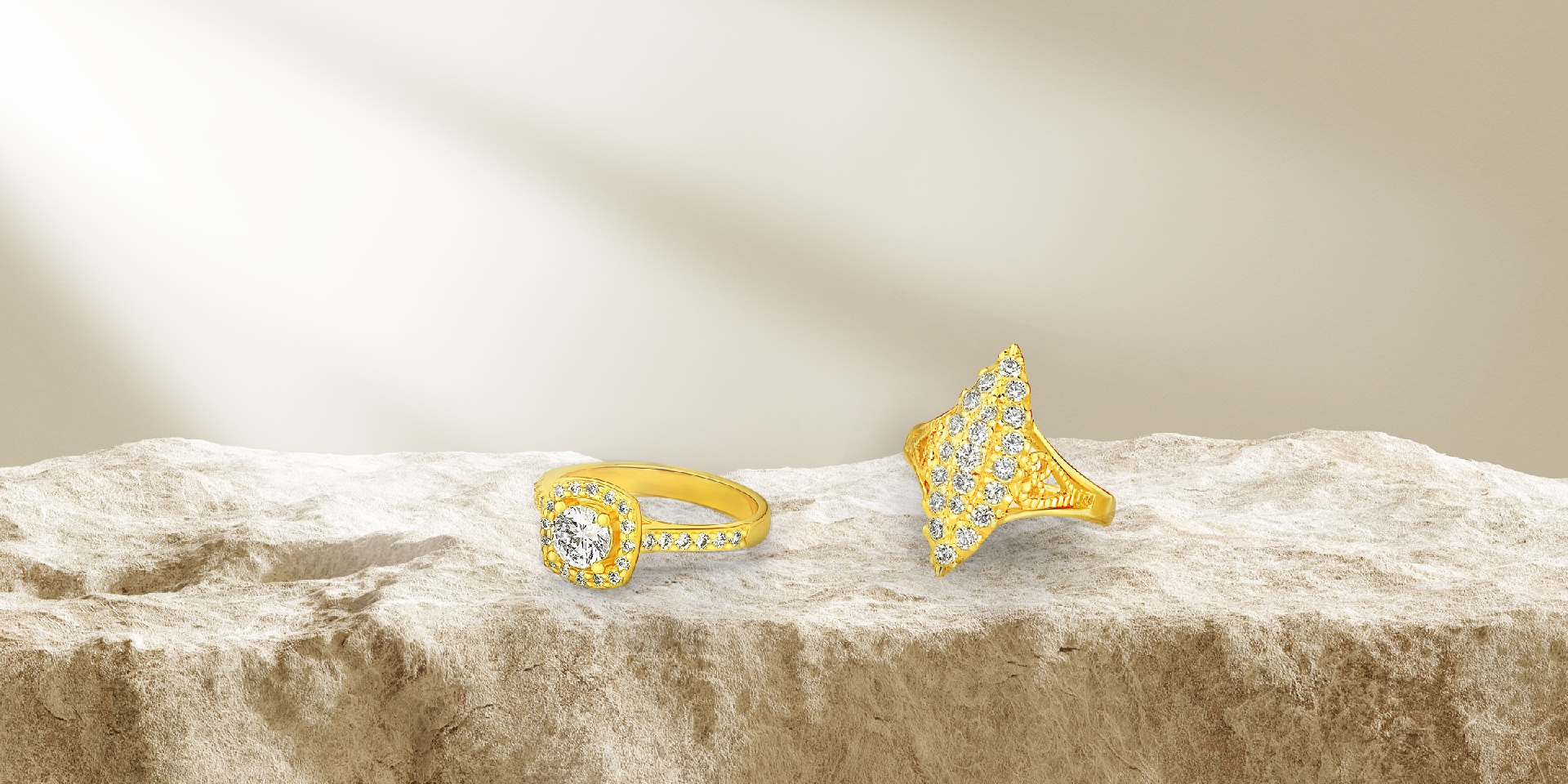
One of the biggest differences you’ll notice between cubic zirconia jewellery and diamond jewellery is the metal setting. Since cubic zirconia is more affordable than diamonds, these gemstones are often set in metals such as nickel or copper alloys. For instance, gemstones set in gold plating or gold vermeil are likely cubic zirconia. At ZHULIAN, our gold plated cubic zirconia pieces are crafted with high-quality plating to ensure durability and a luxurious finish.
Before buying, inspect the jewellery markings to identify the metal. A ‘22k’ hallmark usually indicates 22-karat solid gold, while a ‘22k GP’ stamp shows it is gold plated. Keep in mind that diamonds are occasionally set in lower-quality metals, so this alone cannot fully guarantee whether a gemstone is a diamond or cubic zirconia — but with Zhulian’s certified craftsmanship, you can shop confidently knowing the quality of your gold plated cubic zirconia jewellery.
2. Light Test
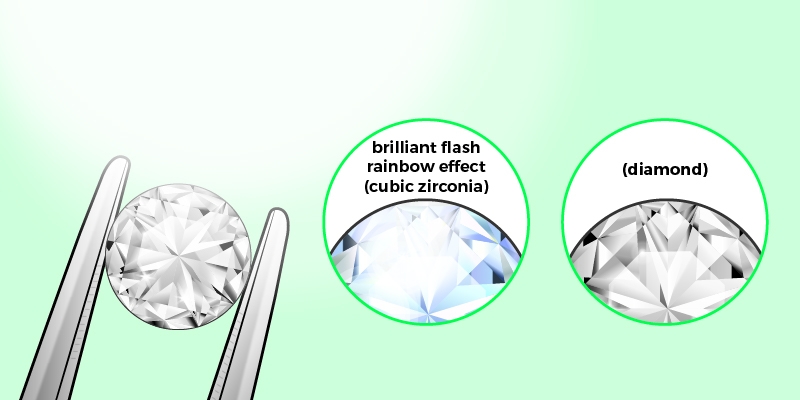
Another way to distinguish a cubic zirconia stone from a diamond is by observing it in direct sunlight. Diamonds reflect light with a brilliant grey and white sparkle, while cubic zirconia displays a beautiful rainbow-like reflection that catches the eye from every angle. At ZHULIAN, our gold‑plated cubic zirconia jewellery is carefully cut and polished to maximize this vibrant sparkle, so even smaller stones shine with elegance.
Note: When testing smaller gemstones, they may not appear as brilliant as larger ones.
3. Fog Test
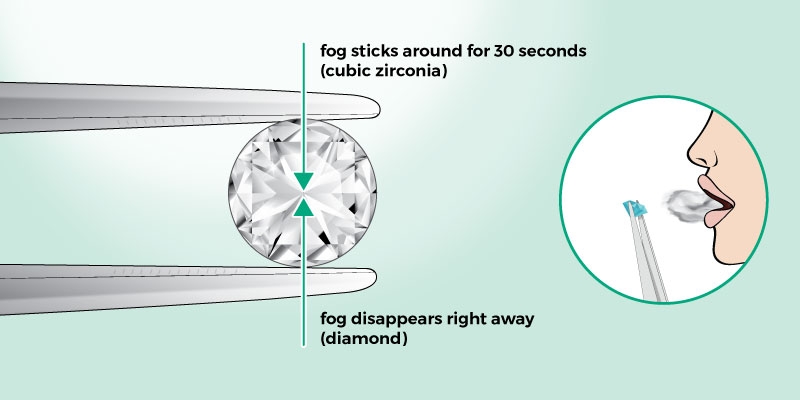
Did you know that diamonds are known for their exceptional heat-conducting ability, which allows them to disperse heat almost instantly? You can try a simple fog test by breathing warm air onto the gemstone’s surface and observing how long the mist remains. If the fog disappears almost immediately, the gemstone is likely a diamond. If it lingers longer, it is likely cubic zirconia.
While cubic zirconia retains heat slightly longer than diamonds, this characteristic does not diminish its beauty. In fact, ZHULIAN's gold plated cubic zirconia jewellery is expertly crafted and polished to maintain outstanding brilliance and clarity, ensuring each piece continues to sparkle elegantly in any setting.
Note: Depending on how clean the gemstone is, small water droplets may form on the surface of cubic zirconia after the test. Regular gentle cleaning helps maintain its radiant shine.
4. Sink Test
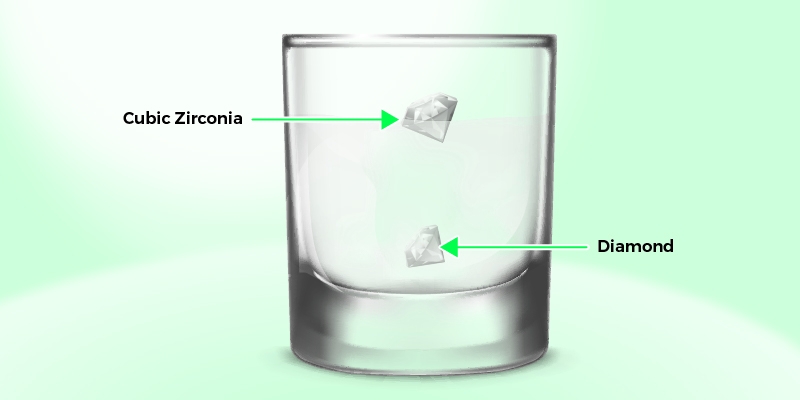
Fill ¾ of a glass with room-temperature water and drop your loose gemstones into the glass. If the gemstone floats on the water surface, it is likely a cubic zirconia. On the other hand, if the gemstone has sunk to the bottom of the glass, it is likely a diamond because diamonds are denser than water. While density differs between the two stones, cubic zirconia remains a popular choice for its impressive brilliance and visual similarity to diamonds.
Once you are finished with the sink test, use a pair of tweezers to retrieve the gemstones so that you won’t lose them.
Note: This test only works for loose stones and cannot be performed on gemstones that are already set in jewellery.
5. UV Light
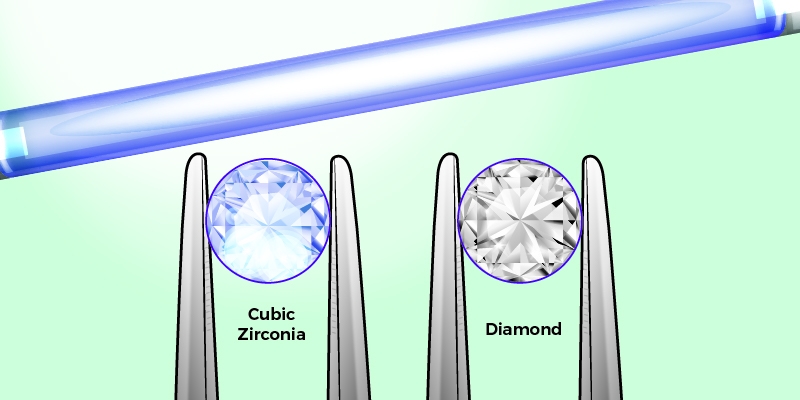
Did you know that many diamonds exhibit a blue fluorescent glow when exposed to ultraviolet (UV) light? To try this test, place the gemstone under a UV light source. If the stone emits a blue glow, it may indicate that it is a diamond. If it does not glow, it is likely cubic zirconia. However, it is important to note that not all diamonds fluoresce, and fluorescence alone cannot conclusively determine authenticity.
6. Opaqueness Test
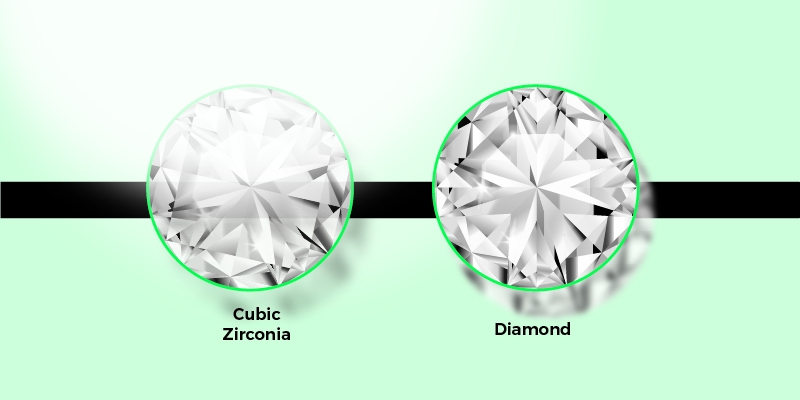
Diamonds are known to have sharp and outstanding refraction when light passes through them, hence giving them a dazzling appearance. Cubic zirconia has a lower refractive index, may allow slightly more light to pass through, depending on the cut and clarity.
To test the opaqueness of your gemstone, draw a black line on a piece of white paper with a permanent marker. Then, place your loose gemstone flat over the line. If you can clearly see the line through the stone, it is likely cubic zirconia. If you can’t see the line, then it is a genuine diamond.
Note: This test will not work if the gemstone is already set in jewellery. Visual tests like this can vary depending on the stone’s cut, size and quality.
At ZHULIAN, we celebrate the beauty of sparkling stones and expert craftsmanship in every piece of jewellery we create. If you love jewellery that sparkles with brilliance yet remains affordable, ZHULIAN's gold plated cubic zirconia pieces offer the perfect blend of elegance and value. Understanding what makes each stone unique helps you choose jewellery that complements your style and suits any occasion. Our gold plated collections feature carefully selected cubic zirconia stones set in refined, timeless designs — ideal for daily wear, meaningful gifts, or celebrating life’s special moments.
Explore our curated range of gold plated jewellery with cubic zirconia and discover how timeless sparkle can elevate your look without compromising on quality or value. From radiant necklaces and elegant bracelets to statement rings, ZHULIAN brings radiant shine to every ensemble and the perfect piece for you is just a click away.